
Executive Summary
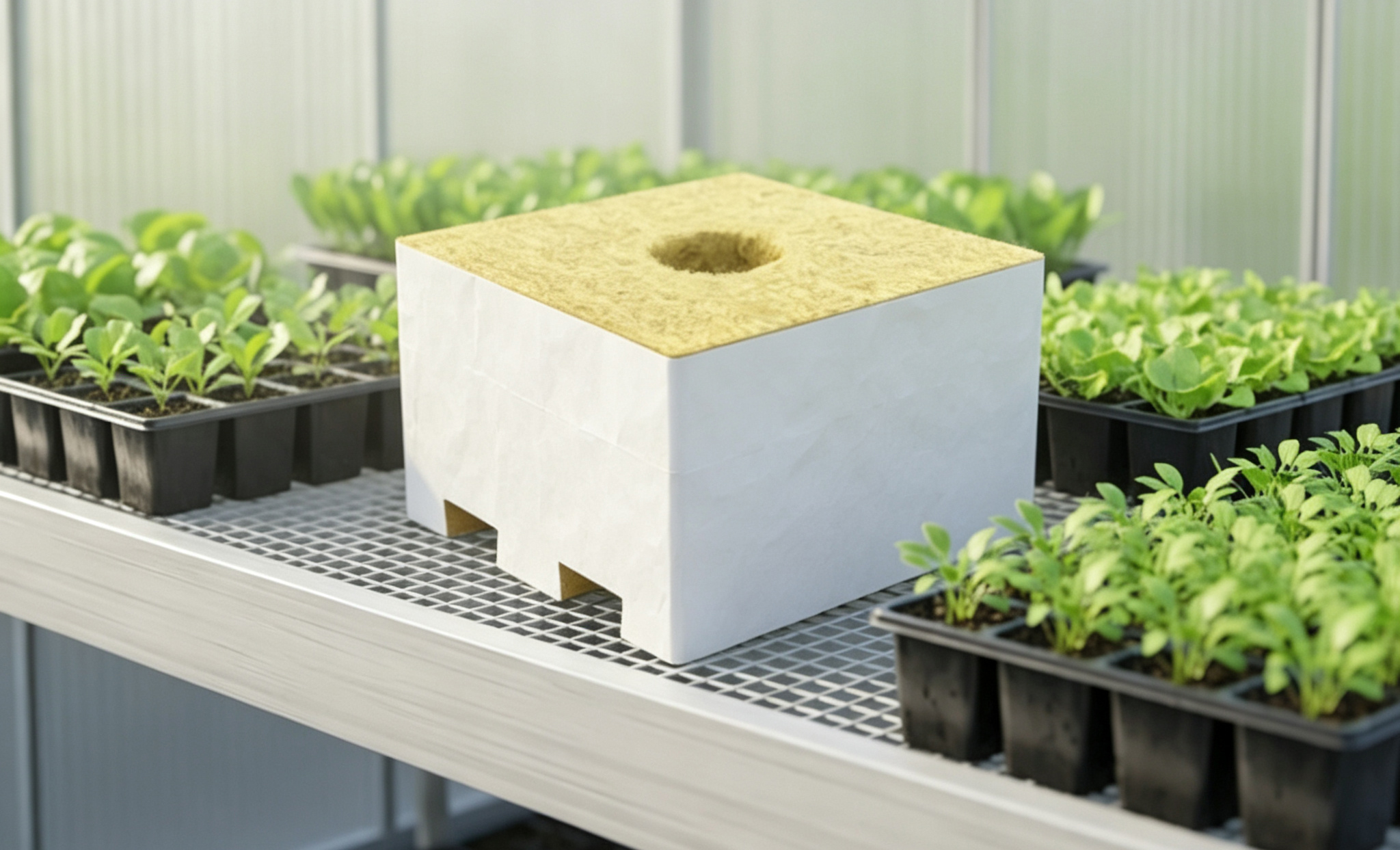
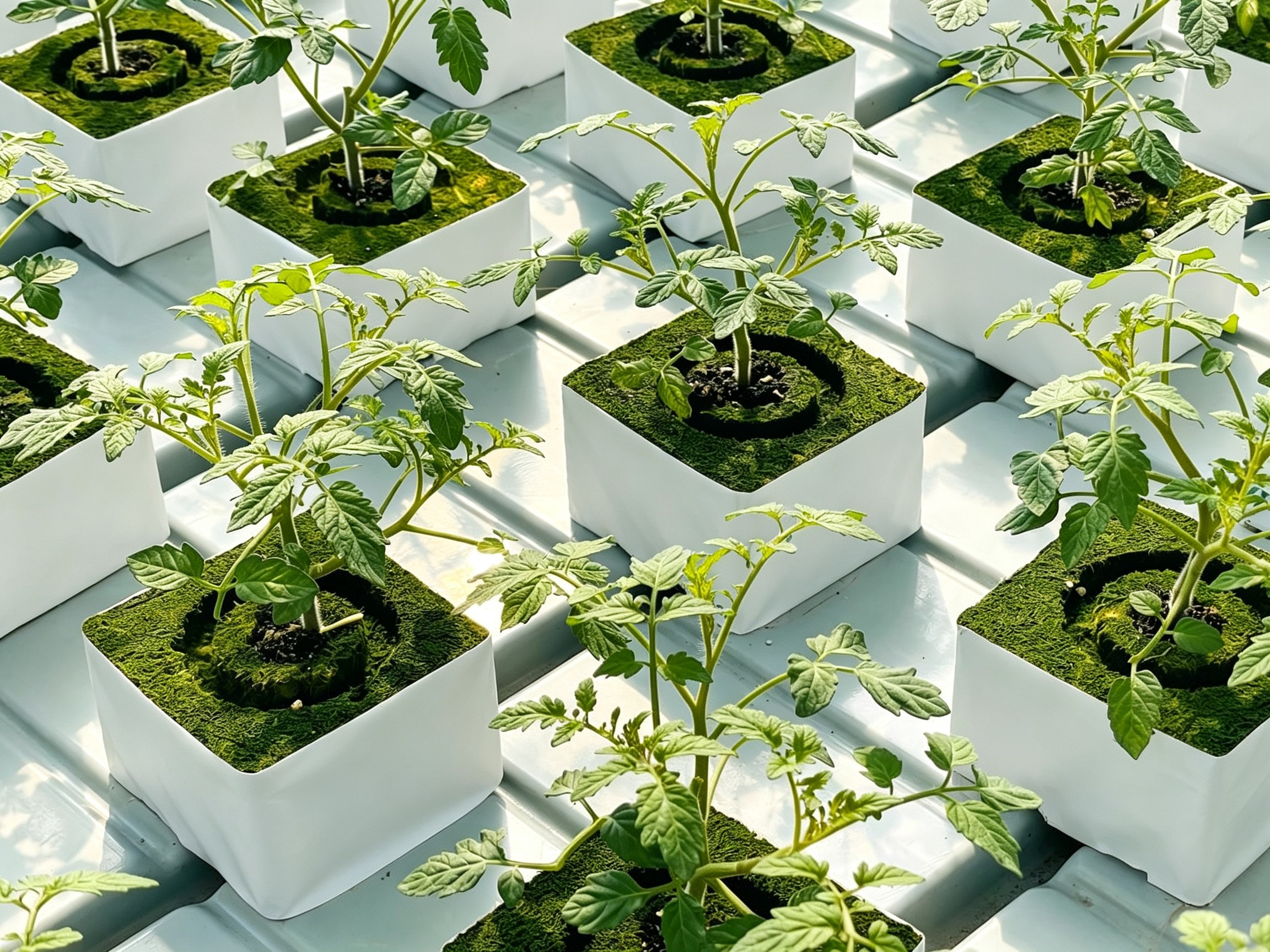
When it comes to commercial horticulture innovation, custom rock wool substrates are emerging as a game-changer for high-value perennial greenhouse crops.
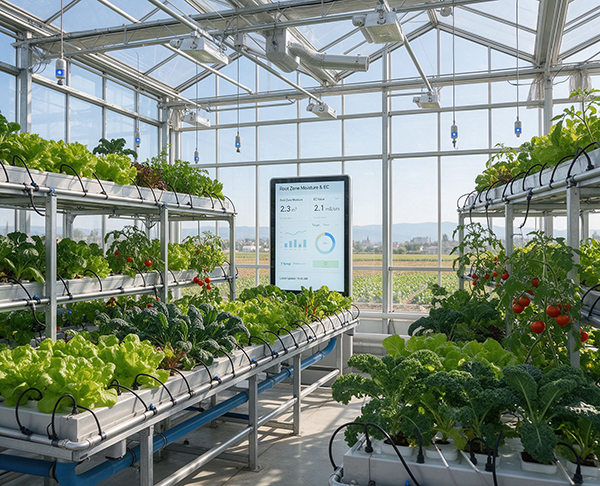
True commercial innovation in controlled environment agriculture (CEA) rarely happens in isolated research labs—it happens on the greenhouse floor. When ambitious commercial growers push boundaries by adapting unconventional, high-value perennial crops to protected cultivation, standard off-the-shelf inputs often become the biggest bottleneck.
During a recent technical audit at a commercial greenhouse facility—one currently scaling large-acreage hop production for fresh-flower craft brewing—we analyzed why traditional organic substrates failed under intense commercial management, and how matching rock wool physical parameters to specific plant mechanics and local climate drives maximum profitability.
The Commercial Challenge: High-Frequency Fertigation vs. Organic Media Degradation
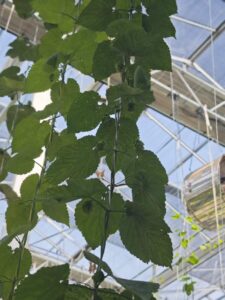
To maximize return on capital, the grower adopted an innovative multi-harvest strategy: cultivating perennial hops in a controlled greenhouse environment to yield 3 to 4 harvests annually, compared to the traditional single outdoor harvest.
However, transitioning a field crop into an intensive hydroponic system created unexpected rootzone challenges:
- The Root Rot Paradox: To combat severe summer root rot during high-temperature periods, the grower adjusted the cocopeat mixture from a 1:1 ratio to a coarser 3:7 ratio to increase drainage. Yet, root rot persisted.
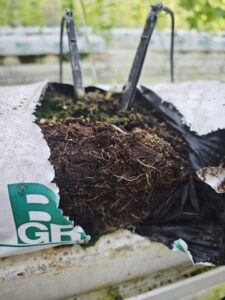
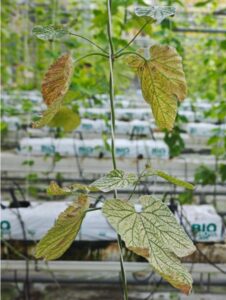
- The Physics of Failure: Under high-frequency summer fertigation and high temperatures, organic substrates inevitably undergo physical and biological degradation. As the organic fibers break down, pore space collapses, holding excessive water and suffocating the root system.
Key Insight: Commercial innovation requires non-degradable, physically stable media. Industrial rock wool provides an inert, 100% sterile matrix with a non-collapsible pore structure, ensuring that rootzone oxygen levels remain constant year after year.
Custom Rock Wool Substrates: Matching Physics to Plant Needs
MechanicsSubstrates are not merely containers for nutrient solution—they are engineered physical environments that must correspond directly to plant physiology and local climate conditions.
1. Fine Root Architecture vs. Aggressive Root Systems
Unlike aggressive, thick-rooted crops like tomatoes or cucumbers, hops possess an extremely fine, hyper-sensitive root architecture. Fine roots are exceptionally vulnerable to oxygen starvation, EC/pH fluctuations, and localized dry spots. They demand:
- High water uniformity across the entire slab to prevent root channeling.
- Precise air-to-water ratios that allow rapid drainage without sacrificing moisture retention.
2. Substrate Volume for Perennial Expansion
A standard 18L substrate slab is designed for annual crops that are terminated after a single season. For multi-year perennial crops with compounding root mass, standard volumes restrict long-term root expansion, leading to root binding and stress. Custom volume sizing is essential for long-term canopy vigor.
3. Seasonal Resilience: Summer Heat vs. Winter Dormancy
A successful multi-harvest strategy requires substrate resilience across extreme seasonal transitions:
- Summer Over-Summering: Maintaining high aeration during peak transpiration and heavy irrigation cycles.
- Winter Dormancy amp; Spring Re-saturation: During dormancy, moisture levels are drawn down. When spring arrives and new buds burst, the slab must demonstrate exceptional re-saturation capability—absorbing water rapidly and evenly without structural decay.
Rock Wool Substrates for Better Root Health and ROI
In commercial horticulture, every rootzone compromise manifests as a financial loss. When roots suffer from oxygen deprivation or physical collapse:
- Plants enter a state of chronic physiological stress.
- Stressed crops become highly susceptible to pest outbreaks, particularly spider mites.
- Chemical intervention costs rise, crop yields plummet, and flower quality degrades.
By customizing the physical density, fiber orientation, drainage rate, and aeration of the rock wool substrate, growers achieve:
- Zero root rot mortality during extreme heat cycles.
- Reduced chemical crop protection costs due to enhanced natural plant resilience.
- Maximized commercial yield per square meter, unlocking the full economic potential of fresh-flower craft brewing contracts.
Conclusion: Beyond Universal Substrates
There is no such thing as a universal, one-size-fits-all substrate. The future of profitable CEA lies in precision co-engineering—aligning substrate physical properties with the grower’s unique climate, crop physiology, and commercial goals.
How are you adapting your rootzone management for non-traditional greenhouse crops?Let’s exchange insights in the comments below, or reach out directly to discuss customized supply chain and substrate engineering solutions
For commercial growers looking to maximize long-term profitability, investing in custom rock wool substrates is no longer optional—it's a strategic advantage.
This article was originally shared on LinkedIn.Join the discussion on LinkedIn →