
Introduction
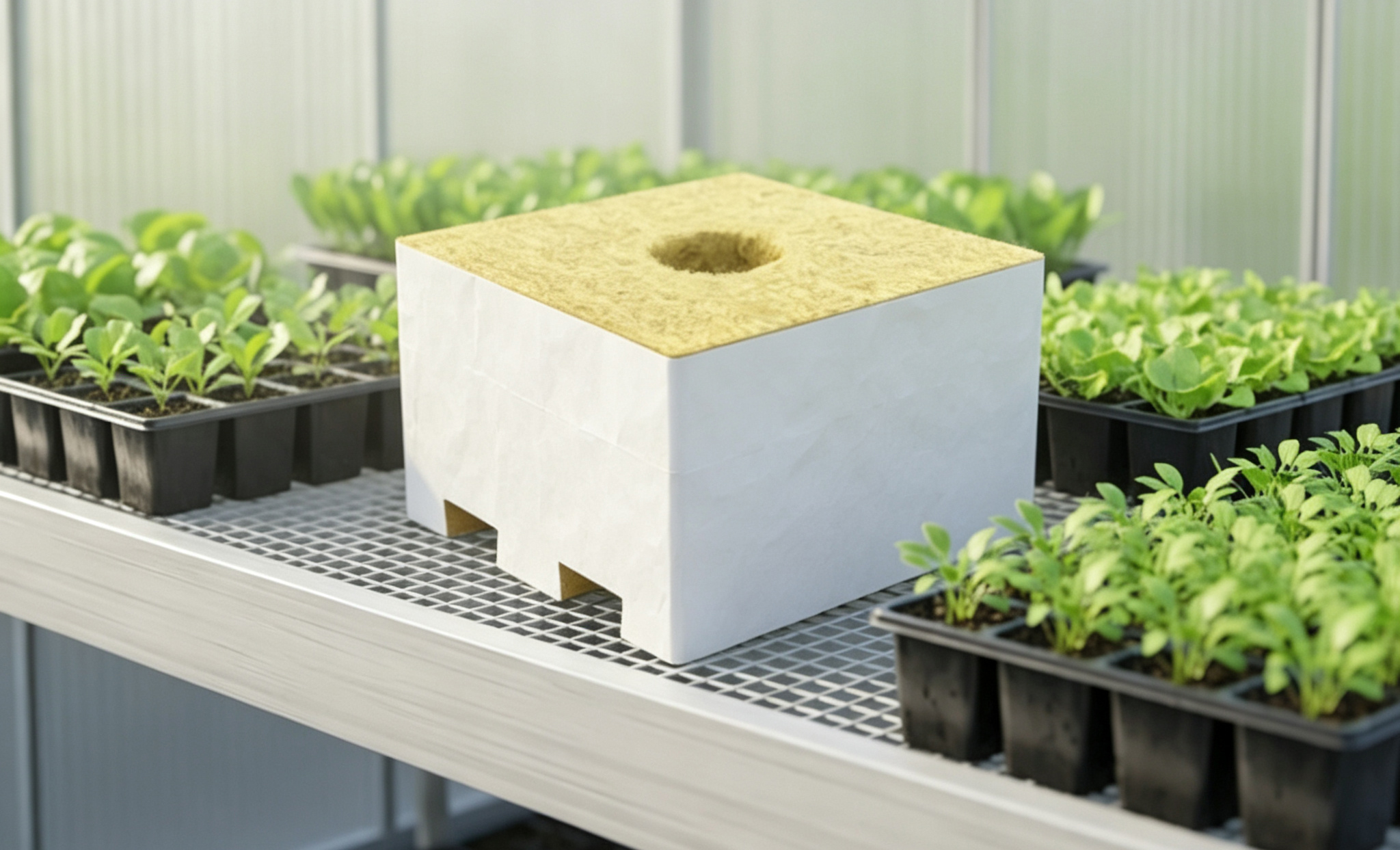
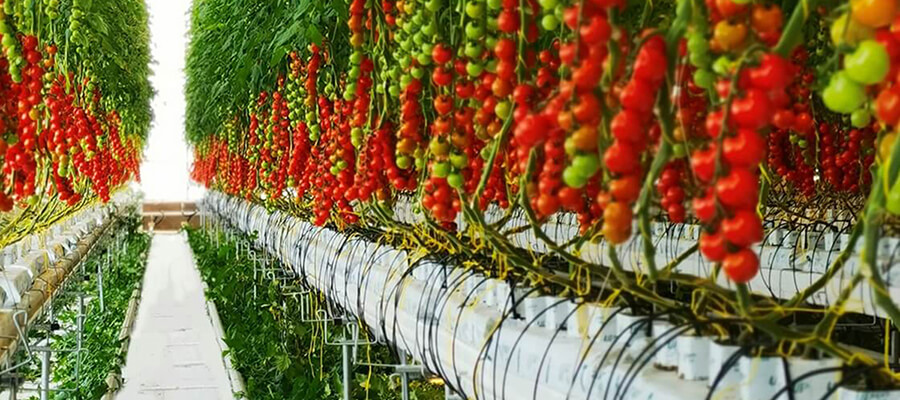
Rock Wool substrates are widely used in commercial greenhouse production because of their stable structure, excellent water retention, and reliable root-zone performance. However, substrate turnover costs and environmental considerations are driving many growers to explore the possibility of reusing rock wool slabs for subsequent tomato crops.
This article explains the key risks, sanitation methods, and best practices to make rock wool slab reuse safe and effective.
Why Growers Consider Reusing Rock Wool Slabs
Reusing rock wool slabs can offer significant benefits when managed properly, especially in large-scale operations.
Reducing substrate costs, lowering waste volume, and improving resource efficiency are key drivers behind this practice. With proper cleaning and management, reused slabs can still support healthy root development and consistent crop performance.
Main Risks During Crop Rotation
Although rock wool is an inert substrate, several risks may affect the success of the next crop if proper management is not in place.
| Risk Factor | Possible Impact | Without Proper Management | With Proper Management |
|---|---|---|---|
| Root Residue | Pathogen carryover | High | Low |
| Pathogen Pressure | Disease infection | High | Low |
| Salt / EC Accumulation | Nutrient imbalance | Medium | Low |
| Root Zone Structure | Oxygen reduction | High | Low |
Substrate Sanitation Strategy
A rigorous sanitation process is essential to minimize pathogen risk and ensure a clean root environment.
Thorough cleaning, approved disinfection, complete rinsing, structural inspection, and proper pre-conditioning are the key steps. Each step plays a critical role in reducing disease risk and ensuring uniform growing conditions for the next crop.
Best Practices for Successful Reuse
Allow sufficient time between crops for sanitation and slab recovery. Use disease-free seedlings and entire propagation practices. Monitor EC, pH, and drainage closely in the early stages. Implement proper irrigation and climate control to support root development. Choose high-quality rock wool products for consistent performance across rotations.
Conclusion
Reusing rock wool slabs is not only possible but can be highly successful with the right strategy. By combining proper sanitation, root-zone monitoring, and best practices, growers can achieve stable yields while lowering costs and environmental impact.