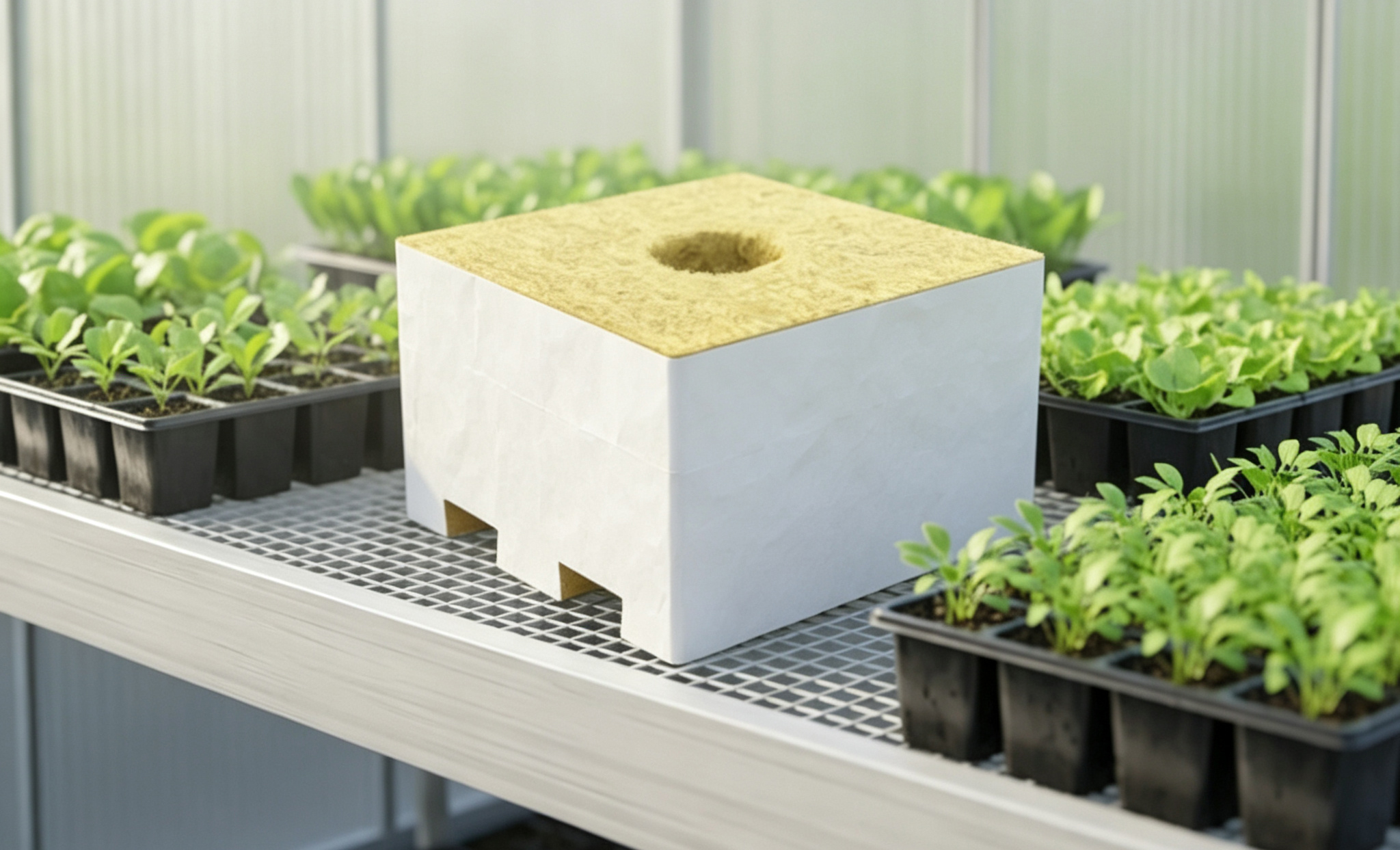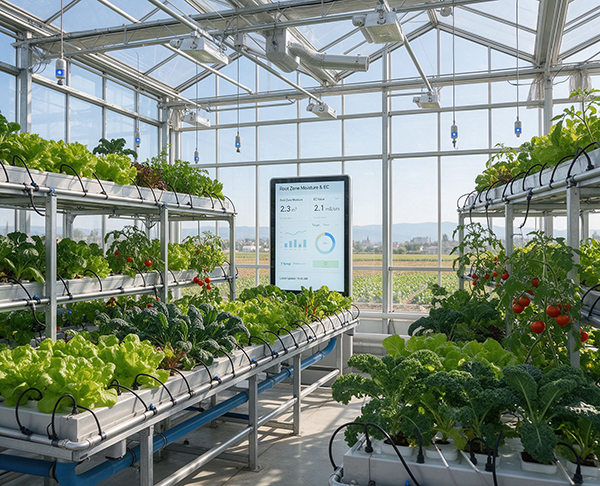

Start With the Root Zone
An irrigation strategy should begin with the crop stage, container volume, climate and the physical behavior of the selected stone wool product. A schedule copied from another facility may not produce the same result.
Observe Water Content and Drainage Together
Water content, drainage, electrical conductivity and crop response should be reviewed as connected signals. A single measurement is not enough to describe the complete root-zone condition.
Adjust by Crop Stage
Propagation, vegetative growth and production have different objectives. Irrigation timing and volume should therefore be reviewed as plants develop and environmental demand changes.
Use Dry-Back as a Managed Signal
Dry-back can help growers understand overnight root-zone change, but target ranges must be established from crop-specific trials, equipment accuracy and agronomic guidance rather than a universal number.
Document and Refine
Consistent records make it easier to compare crop response, identify trends and refine a practical strategy. Grofine can provide current product data to support evaluation with your agronomy team.